
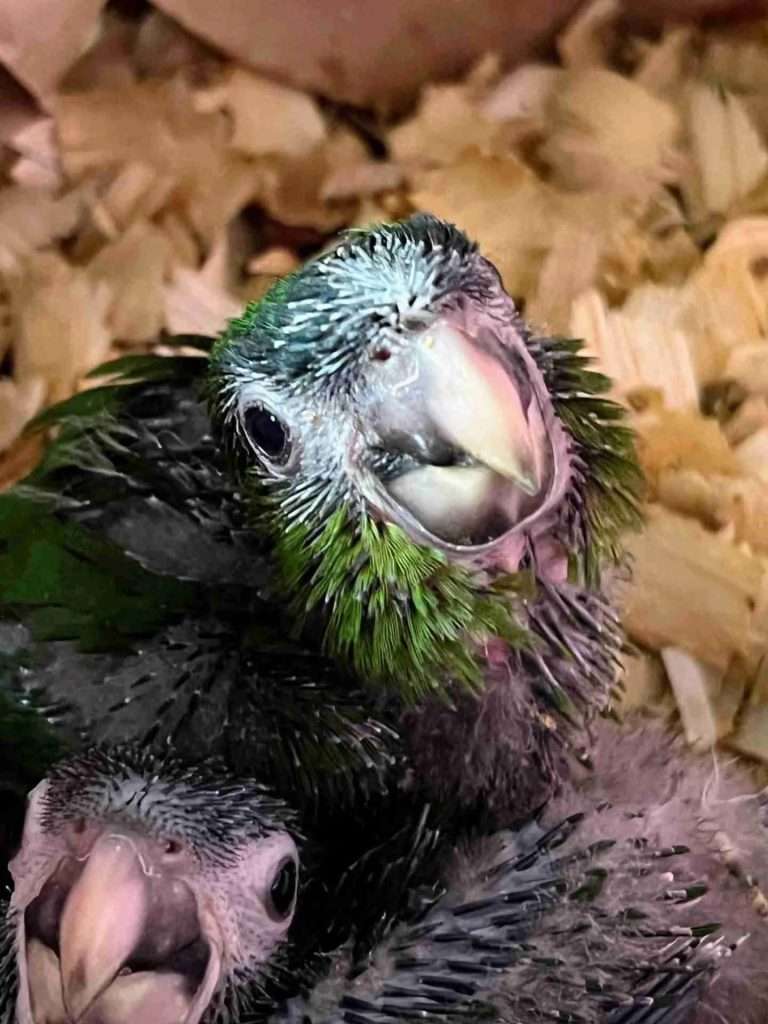
If you’ve ever watched a full-sized Blue & Gold or Greenwing Macaw fill a living room and thought, I love that, but I don’t quite have a ballroom, you are exactly the person the Hahn’s Macaw was built for. She’s the smallest member of the macaw family — a pocket-sized macaw with the voice, personality, and mischief of birds three or four times her size.
Hey guys, I’m Kalyn, author of The Parrot Bliss Bond. I’ve shared my home with 22+ parrot species, and my Hahn’s Macaw, Emerald, is one of the birds people ask me about more than any other. Watch this and you’ll see why — and then I’ll walk you through what it actually takes to give a Hahn’s a great life.
TL;DR: The Hahn’s Macaw at a Glance
- Species: Diopsittaca nobilis — also called the Red-Shouldered Macaw or Red-Breasted Macaw.
- Size: the smallest macaw — about 12–14 inches long, roughly 150 grams.
- Lifespan: 30–40 years with good care.
- Talker: yes — keeps the full talking ability of the big macaws in a mini package, and females talk too.
- Voice: can be loud and repetitive when frustrated. Plan for it.
- Companionship: extremely social. Strongly consider getting two.
What Is a Hahn’s Macaw, Really?
The Hahn’s Macaw is the smallest species in the macaw family. Where a full-sized macaw can hit 1,000 grams — that’s around two pounds of bird with a beak that could go through your finger — a Hahn’s is closer to 150 grams and about the length of a conure. That’s where the nicknames mini macaw and dwarf macaw come from. Scientifically she is Diopsittaca nobilis, and “Red-Shouldered Macaw” is the other name you’ll see in bird books because of the red patch on her shoulders and wing bend.
If you want the short species profile, I keep one at the Hahn’s Macaw species info page. This post is the full, lived-in version — what it’s like to actually live with one.
Meet Emerald: My Hahn’s Macaw
Emerald came to me as a surrender. Her previous owner had become sick and could no longer care for her, and she landed in my flock after eleven years in a home with no other animals. That one detail explains almost everything about her early days with us — she was a “person parrot,” not a “bird parrot.” She didn’t know how to interact with other birds. She bonded to humans. And when humans left the room, she screamed.
Two and a half years later, she is a very different bird. She’s still the same sweet, affectionate Emerald, but she’s less bitey, she’s settled, and she actively looks for connection rather than demanding it. That turnaround is what gave me the perspective I want to share here — because the biggest decisions you make around a Hahn’s happen in the first year.
Hahn’s Macaw Temperament: What She’s Actually Like
Three things people fall in love with when they meet a Hahn’s:
- She talks like a macaw. A Hahn’s keeps the full talking ability of the big macaws, and females talk too. Emerald picks up words, phrases, and sounds. If you want a conversational parrot without giant-macaw logistics, she delivers.
- The size is a dream. You can carry her on your shoulder without bracing for a wrist injury. She can nibble affectionately without doing damage. She fits into a normal living room, a normal cage, a normal life.
- She’s socially oriented. Macaws as a family are flock birds, and Hahn’s are no exception. When she’s bonded, she wants to be with you — petting, playing, “helping” you with everything you’re trying to do.
And three things to be ready for:
- Squawking. Hahn’s can be loud, and the squawk tends to be monotonous and repetitive. Emerald will do the same squawk-squawk in a sequence until whatever triggered it resolves. It is usually a communication problem — she feels un-included. Fix the cause and the squawking fades.
- Bitey phases. Especially in a new home or an insecure moment. It almost always improves with time, patience, and the right setup. Coercion makes it worse.
- The “boomerang.” She may fly or climb right back onto your hand the moment you try to set her down. That’s affectionate but it’s also real — plan your schedule accordingly.
Hahn’s Macaw Diet: What Actually Works
This is Emerald’s daily plate — built over years of watching what keeps my Hahn’s in feather and at a healthy weight:
- Pellet base. I use ZuPreem Sensible Seed / Pellet — sometimes called a maintenance pellet. This is the largest part of her diet.
- Fresh vegetables, daily. Leafy greens, chopped carrots, sweet potato, broccoli. I leave them in for a window long enough for her to eat, then remove before bacteria takes over.
- A small amount of seed-and-nut mix. About a teaspoon of a macaw-style mix. That’s a full day’s allotment, not a bowl.
- Seeds and nuts as treats, not staples. This is one of the most important distinctions. A Hahn’s does not need the nut volume a Greenwing or Blue & Gold needs — she’s much smaller. A high-fat diet catches up with a small macaw fast.
- Fruit in moderation. A bite of apple or papaya now and then. Not a daily fruit bowl.
Please remember, I’m not a veterinarian or a nutritionist. This is what works in my flock. Any parrot with a medical question belongs in front of an avian vet, not a YouTube channel.
Hahn’s Macaw Housing: Cage and Out-of-Cage Time
For a single Hahn’s, plan on a cage at least 36 inches wide, 36 inches deep, and 36 inches high, with bar spacing of 1/2 to 3/4 inch. Bigger is always better. Inside the cage:
- Natural wood perches in several diameters. A macaw’s feet need variety.
- Sturdy, destructible toys. Hahn’s chew like their bigger cousins — she needs real things to demolish.
- Foraging opportunities: hide food inside shreddable paper or toys so she has to work.
- A quiet corner or hiding spot for retreat.
Out-of-cage time is not optional for this species. Target at least a few hours a day out — on a play gym, on your shoulder, in the room with you. A Hahn’s locked in a cage while the household carries on is a Hahn’s who will scream. Don’t make the bird pay for a setup mistake.
Should You Get One Hahn’s or Two?
This is the single biggest question I get asked about Hahn’s, and here is the honest answer from my own experience: if you will not be home with the bird most of the day, seriously consider getting two.
A Hahn’s is wired to be in a flock 24/7. When she’s alone for long stretches, the frustration comes out as squawking. Squawking becomes a habit. Habits escalate into plucking, which is extremely hard to reverse once it sets in. Emerald came to me as a plucker on her back — a leftover from eleven years alone. She is happier now, but the plucking is still there, and it doesn’t fully go away.
If you don’t want breeding, get two of the same gender. They’ll bond with each other and with you as long as you put the time in. And when you’re at work, they won’t be alone.
One more path worth considering: you can still start with one bird if you’re truly home most of the day. But you have to show up for her — at least an hour of focused interaction, plus background presence while you work from the same room. Hahn’s are not a bird you leave alone in a spare room.
Hahn’s vs Other Small Parrots: Quick Comparison
- Hahn’s vs Full-size Macaw: Same talking ability and personality, much smaller body. Less messy, less loud overall, far less space. Trade-off is a slightly more neurotic-leaning personality if needs aren’t met.
- Hahn’s vs Conure (e.g., Sun or Green-cheek): Similar size. Hahn’s talks better, has macaw temperament. Conures tend to be more play-driven. Hahn’s costs more.
- Hahn’s vs Eclectus: Eclectus is quieter, fussier on diet, less physical. Hahn’s is more interactive, more physical, more demanding socially. I’ve written about that comparison in “Would I Add Eclectus Parrots Or Hahn’s Macaws To My Flock?” if you want the deeper dive.
Common Questions About Hahn’s Macaws
Q: How loud is a Hahn’s Macaw?
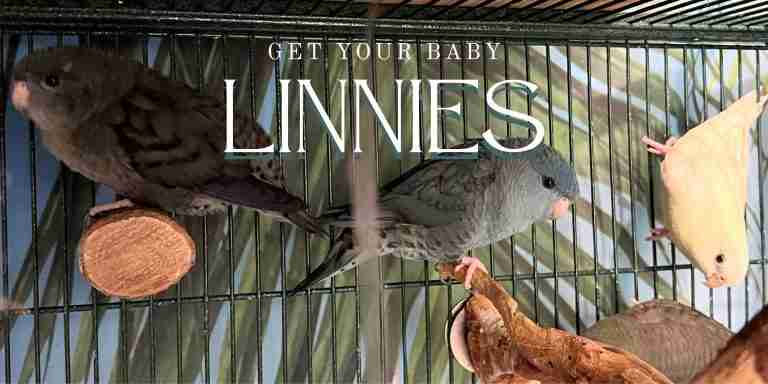
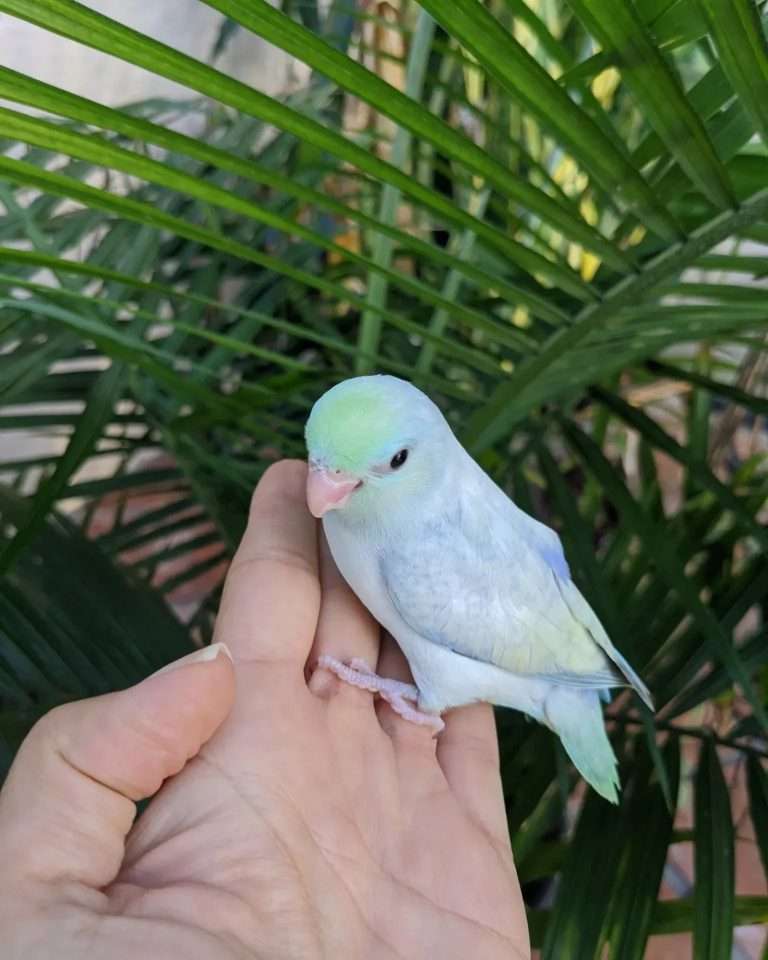
Louder than a Linnie or a budgie, quieter than a full-sized macaw. Expect regular vocalizations and a repetitive squawk when she’s frustrated or lonely. Not a good apartment bird unless your neighbors are understanding and you’ve set up for companionship.
Q: Do Hahn’s Macaws talk?
Yes, and well. They keep the full talking ability of the macaw family in a smaller body. Both males and females talk.
Q: How long do Hahn’s Macaws live?
30 to 40 years with good care, sometimes longer. This is a decades-long commitment, not a casual pet.
Q: Are Hahn’s Macaws good for beginners?
They can be, if the “beginner” is ready for a real parrot — daily interaction, careful diet, and years of patient training. They’re a big step up from a budgie or cockatiel in commitment.
Q: Can I keep one Hahn’s Macaw alone?
You can, but only if you are home most of the day and willing to put in focused time. If you work full-time away from home, two is the kinder choice.
Q: What should I feed a Hahn’s Macaw?
Pellets as the base, fresh vegetables daily, a small measured amount of seed-and-nut mix, and nuts or seeds as occasional treats. Hahn’s do not need the nut volume big macaws need.
Key Term
Hahn’s Macaw: Diopsittaca nobilis, also called the Red-Shouldered Macaw or Red-Breasted Macaw. The smallest member of the macaw family, approximately 12–14 inches long and 150 grams, with a 30–40 year lifespan and the talking and social temperament of the larger macaws.
Hahn’s Macaw Quick-Start Checklist
- Cage at minimum 36″ × 36″ × 36″ with ½″–¾″ bar spacing.
- At least a few hours of out-of-cage time every day.
- Pellet base + daily fresh veggies + measured seed/nut mix.
- Sturdy destructible toys rotated weekly.
- A plan for companionship — either a second bird of the same gender or a household that’s home most of the day.
- An avian vet on speed dial and a wellness visit in the first month.
Thinking About Adding a Hahn’s to Your Flock?
My parrots are my bliss, and Hahn’s like Emerald hold a special place in this flock. They really do have the personality of a big macaw in a body you can live with — but only if you set them up right from day one. Time is the magical ingredient with every parrot I’ve ever raised, and Hahn’s are no exception.
If you’re looking for a Hahn’s baby, I’m currently raising some — see the current Hahn’s Babies listing for availability, or reach out through the Available Parrots page if you’d like me to connect you with a breeder friend I trust. Please buy from someone who will show you the parents, the aviary, and the baby’s weaning progress before the sale.
More on the birds themselves — temperament, size, and what living with one is actually like — on my Hahn’s Macaw page. If you’d rather have the day-to-day reference version of all this, the Hahn’s Macaw care sheet runs through housing, diet, health and sleep in order.
Catch you next time.

Comments